
Design Systems Report 2026 - We need more people
zeroheight
01:11:20
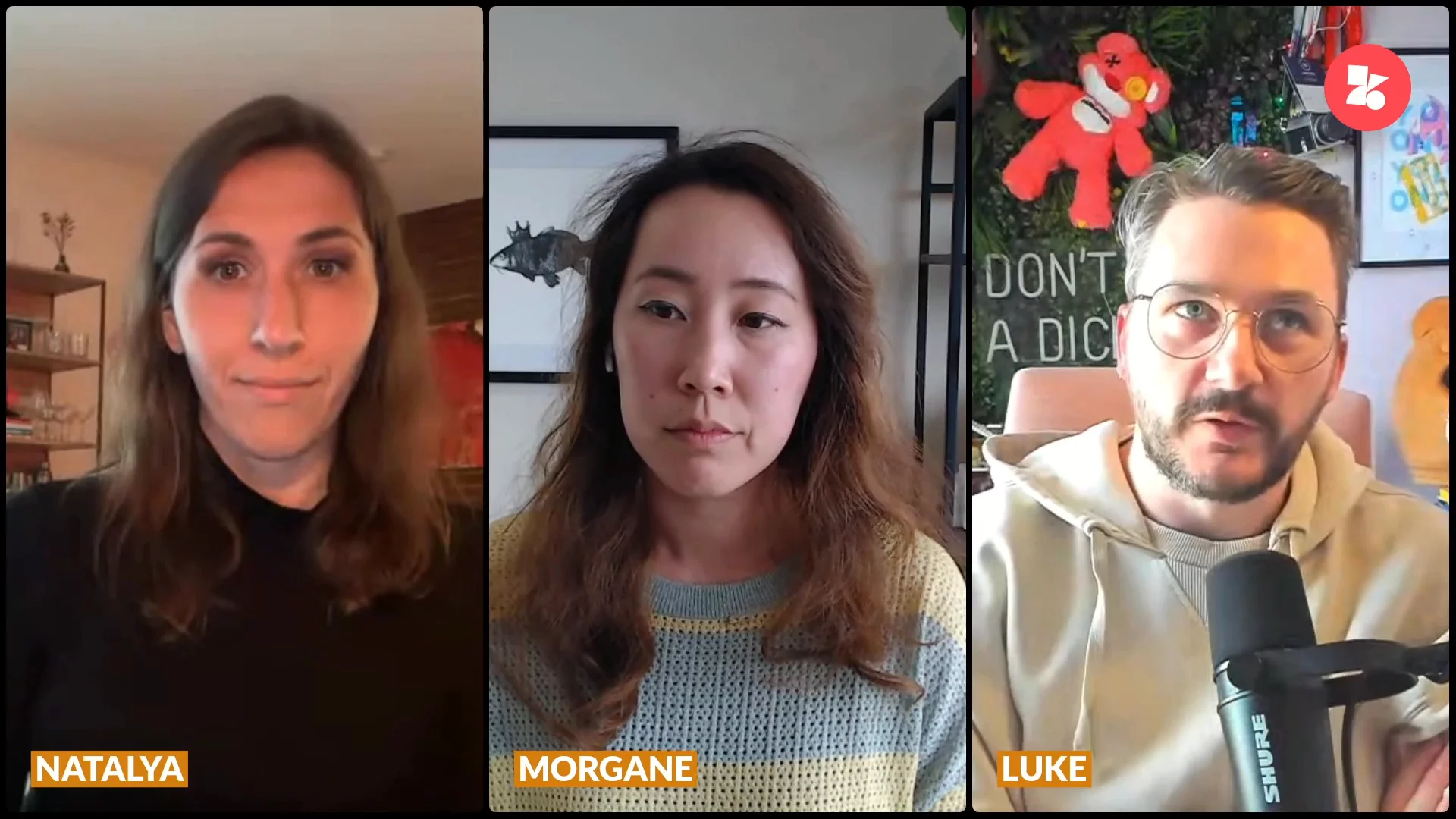
61% of design system teams say they don't have enough people. The #1 challenge across the entire survey? Lack of resources.
Design systems have won the argument. The industry agrees they're essential. But the teams responsible for them are running on fumes. The DSR 2026 data tells a stark story: 16% of design systems are maintained by a single person. 61% of teams have five or fewer people. And when asked whether they have adequate resources, only 23% agree. Meanwhile, 56% name staffing as their single biggest challenge — more than buy-in, more than tooling, more than anything else.
This isn't a new problem. But it's getting worse. And it's time to talk about it properly.
We'll cover:
- The real state of design system resourcing. We'll walk through the data on team sizes, growth trajectories, and how they map to company size and design system maturity. The picture is more uneven — and more precarious — than most leaders realise.
- Why "just hire more people" isn't the answer (and what is). Budget constraints are real, but staffing isn't the only lever. We'll explore contribution models, automation strategies, and scope management — the practical toolkit for teams that need to do more with what they have. Only 15% of teams have any dedicated community-building resource, and 44% aren't even trying. There's low-hanging fruit here.
- The hidden cost of understaffing. Understaffed teams don't just move slower — they make different decisions. We'll look at how resource constraints cascade into documentation gaps, adoption problems, communication breakdowns, and ultimately the erosion of trust that puts the whole system at risk.
- Making the business case for headcount. If you need to convince leadership to invest, vague appeals to "design consistency" won't cut it. We'll talk about how to frame resourcing in terms that matter to the business — and what the data says about the measurable impact of adequately staffed teams versus those running lean.
- Sustainable team models for different scales. There's no single right answer for how to structure a design system team. We'll compare centralised, federated, and hybrid approaches and discuss what the data tells us about which models hold up under real-world pressure — and which ones burn people out.
If you've ever felt like you're holding a design system together with sheer willpower and not enough hands, this session is for you. Come for the data, stay for the solidarity.
Speakers

Luke Murphy
Principal Design Advocate, zeroheight
Luke is the Principal Design Advocate at zeroheight. They host the DesignOps Island Discs podcast, host the WDC conference in Bristol and help organizations worldwide with their design system via their work with zeroheight and DesignOps Assembly. They've worked as a design leader across enterprise and startups, and have a passion for good org design and creating community. When they're not enthusing about designops and design systems, they sing in a queer punk band and make zines.

Natalya Shelburne
Design Systems Lead at GitHub
Natalya (she/her) is a designer, developer, artist, author, educator, and doer of good deeds. She recently joined Datadog to lead the designers working on the DRUIDS design system. Previously, she worked at GitHub leading the Primer design system team. Before that, it was the New York Times, as well as teaching at Harvard Extension. She loves to write, publishing the Design Engineering Handbook and articles for various online publications. Natalya holds bachelor’s degrees in Studio Art and Psychology, and a master's in Creativity and Talent Development. Crossing disciplines and building bridges between design and engineering is at the foundation of much of her work, and building teams, growing community, and investing in human creativity at scale is the next big adventure.

Morgane Peng
Managing Director at Societe Generale CIB
Morgane is a Managing Director with 15+ years of experience leading design, product, and transformation programmes in complex financial environments. Currently Head of Product Design and AI Lead at Societe Generale CIB, she helps deliver and shape digital products for start-ups, corporates, and financial institutions across cross-functional teams and countries. Morgane brings a design mindset to complex challenges, blending user insights with technical feasibility to maximise business impact.
Outside of work, she mentors, speaks at international conferences, and tinkers with emerging trends through side projects, such as running a solopreneur crochet business and contributing to a crowdfunded indie video game.
Replays
See allDesign Systems Report 2026 - We need more people
01:11:20